AI Driven

AI-driven product design, connected to real delivery.

Using AI as a practical layer across research, design systems, prototyping, documentation, and implementation support. The goal is not to replace design judgment, but to make product teams faster, more structured, and more aligned from idea to shipped experience.

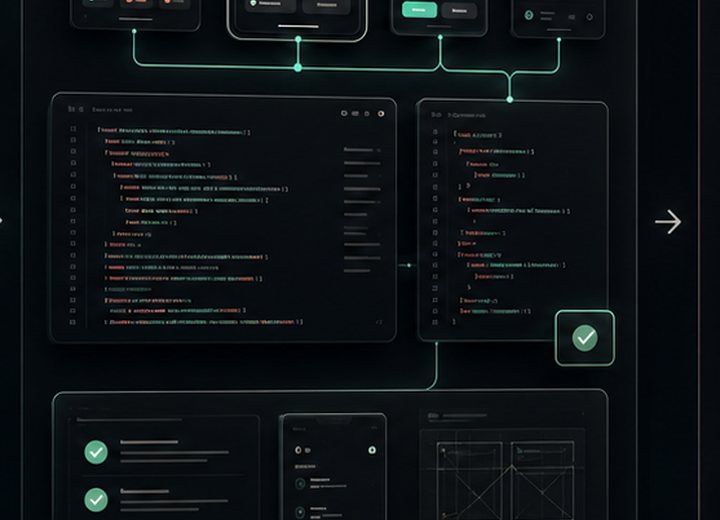
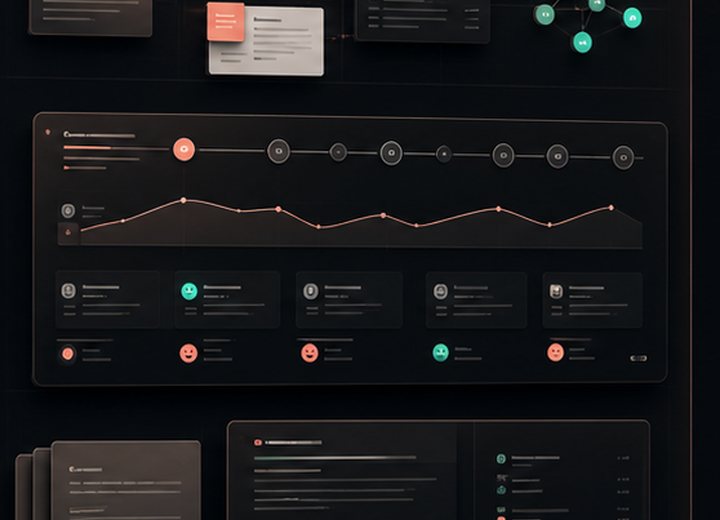
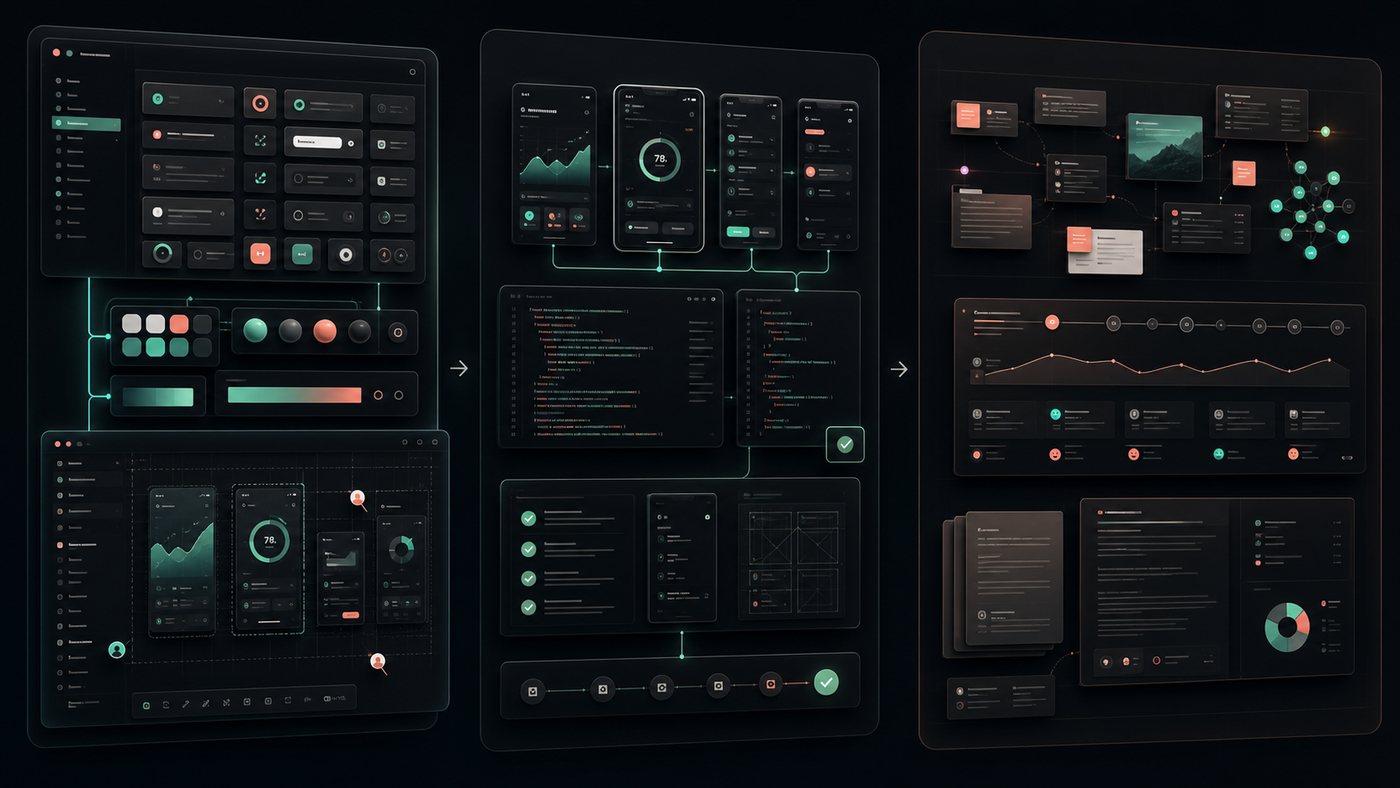
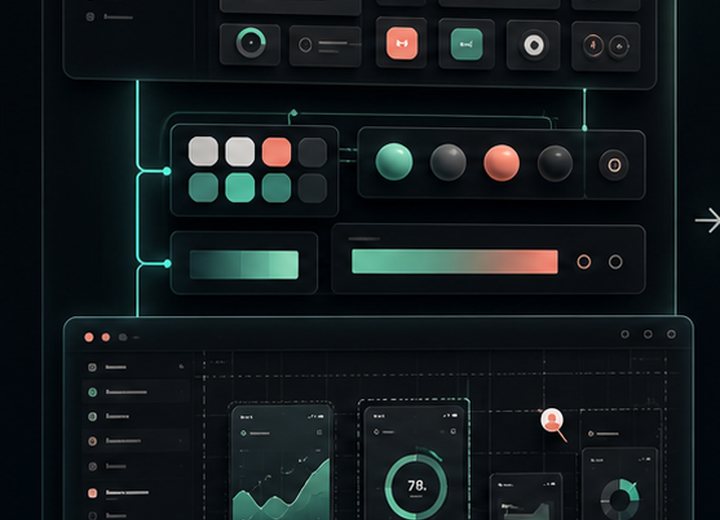
AI workflow connecting design systems, product reasoning, and implementation support

My AI design operating system.

Design system tokens and components guided by AIFigma AI

Design system connected to AI

I use Figma AI and Figma Make as a design-system accelerator: exploring flows, generating structured screens, testing content states, and guiding outputs with libraries, tokens, variables, and reusable components so AI stays close to the product language.

AI-supported design to code collaboration workspaceCodex

Design-to-code collaboration

I use Codex to bridge product design and engineering: translating interface decisions into implementation tasks, reviewing front-end behavior, improving responsiveness, validating UI details, and keeping design intent visible through the build process.

AI-assisted product reasoning and journey synthesisClaude

Deep product reasoning

I use Claude for long-form product thinking: comparing journeys, structuring requirements, analyzing edge cases, reviewing complex flows, and turning scattered notes into clear decision documents for product, design, and engineering teams.

How I use AI through the product cycle.

01 Strategy

From raw signals to product direction

I use AI to synthesize interviews, analytics notes, stakeholder input, support themes, competitor patterns, and market signals into sharper opportunity areas. Then I turn those outputs into hypotheses, product principles, journey risks, and questions the team can validate.

02 System

From design system to intelligent production language

I connect AI work to design foundations: components, variables, tokens, spacing rules, accessibility standards, UX writing patterns, and state coverage. This helps teams generate and evaluate options that respect the system instead of creating disconnected one-off screens.

03 Prototype

From idea to believable experience faster

I use Figma Make, AI-assisted prompting, and rapid iteration to move from concept to interactive prototype quickly. This makes it easier to compare flows, test alternative information architectures, identify missing states, and align stakeholders before expensive implementation starts.

04 Build

From design intent to implementation clarity

I use Codex and Claude Code-style workflows to inspect interfaces, clarify behavior, prepare implementation notes, check responsiveness, document component logic, and review the user experience after it reaches code. This reduces the gap between design handoff and real product quality.
What this brings to teams.

Faster alignment

AI helps transform messy input into clear options, risks, and decisions, so teams spend less time waiting for first drafts and more time improving direction.

Stronger design systems

AI becomes more useful when it is connected to tokens, components, variables, content rules, and interaction standards rather than used as a generic idea machine.

Better design quality

I use AI to check edge cases, empty states, error states, accessibility considerations, UX copy, and responsive behavior before issues reach production.

Clearer engineering bridge

AI supports better specs, clearer implementation notes, front-end review, and faster iteration between design intent and production reality.

Leadership approach.

Human-led, AI-supported

AI is leverage, not autopilot

I use AI to widen exploration, reduce repetitive analysis, improve documentation, and speed up delivery conversations. Final product decisions remain grounded in user evidence, business priorities, technical constraints, accessibility, brand standards, and design craft.

Practical governance

Prompting is part of the system

I treat AI prompts, examples, design-system rules, and review checklists as operating assets. They help teams reuse good judgment, keep outputs consistent, and make AI collaboration repeatable across product squads.